How the pricing works
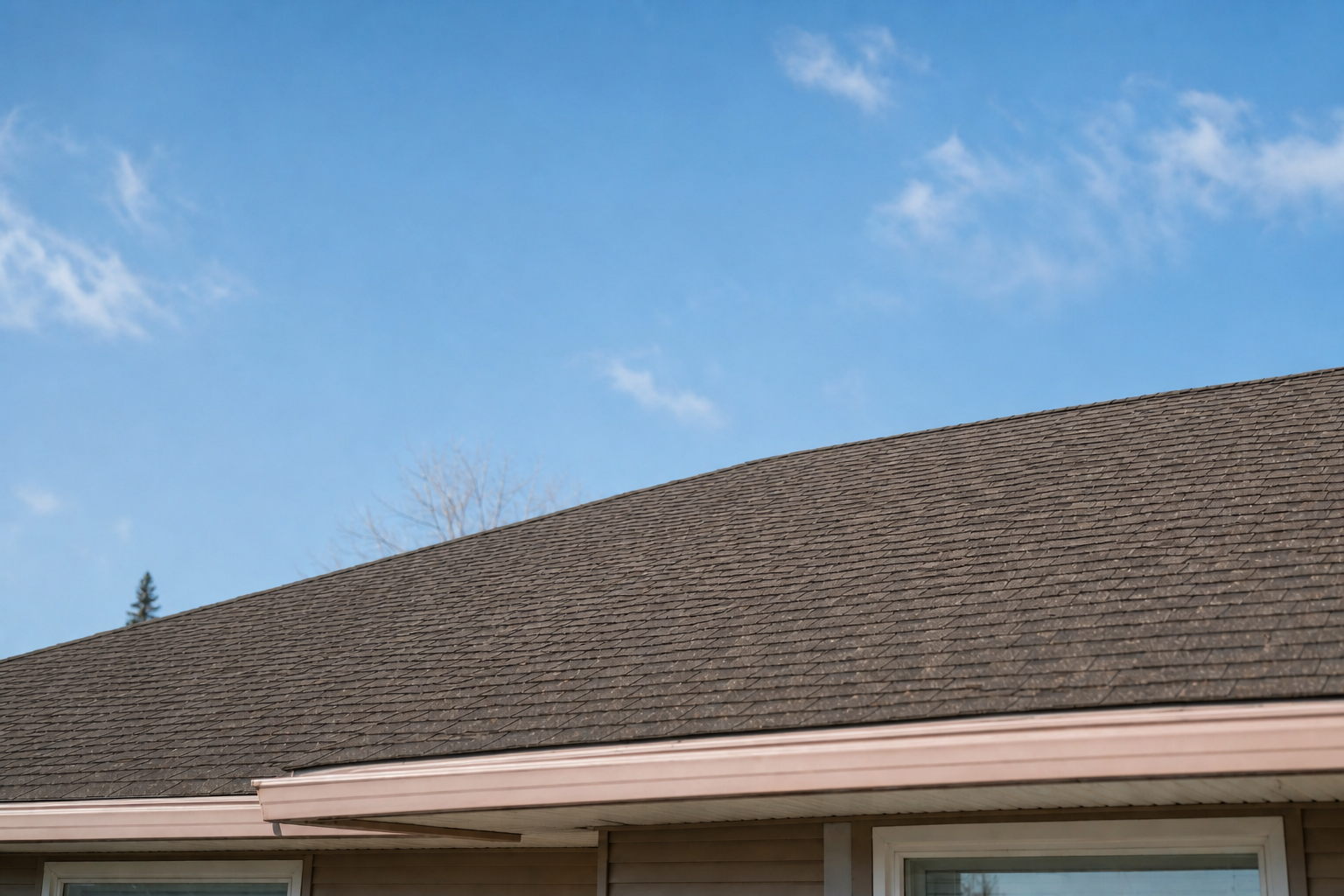
The system is priced per square foot of roof, with a split between tiles that generate power and tiles that just look the same and do not. The proportion of active tiles is set by how much power the house needs and how much of the roof faces the right way. A north-facing slope full of inactive tiles is still charged as roof.
Add a battery, add the removal of the old roof, add any structural or electrical upgrades, and the total is what you compare against a conventional roof plus conventional panels.
What the lifespan claim means
The tiles are tempered glass and are warranted for a long period against breakage and weathering, longer than most composition shingles. The power output is warranted separately and declines slowly the way any solar cell does. What is not obvious from the marketing is that the underlayment, flashings and inverter have their own, shorter lives.
A roof is a system; the tiles being tough does not make the whole assembly last that long.
What the numbers leave out
Installation is done by the manufacturer's own crews or approved partners, not by a local roofer, so repairs and any future flashing work go through them. The house needs a fairly simple roof shape to keep the inactive-tile count down. Complex hips, dormers and skylights push cost up quickly.
And the timeline from order to install has historically been long.
The alternative to compare
A new conventional roof in a light cool-roof color with standard panels mounted on top, installed by a roofer and a solar company who both work locally. It is less elegant, but it is repairable by anyone, the panels can be replaced independently of the roof, and in our sun the output is the same.
If you like the look and can wait, the glass tiles are a real product; if you want value, run the comparison honestly.
My advice
Whichever route, get the roof underneath sorted first. Panels or glass tiles on top of failing underlayment mean paying to remove and reinstall them when the leak arrives. I inspect roofs before solar goes on for exactly this reason.
Solar and roofing are the same decision, made once, and it is cheaper to make it in the right order.