The expensive systems
The roof, the electrical service, the plumbing, the furnace and the air conditioning are the components that cost the most to replace. Each has a typical service life that a homeowner can look up, and a house where all five are approaching the end at once is a house that needs a savings plan, not a repair fund.
The point of knowing the life is to decide when to repair and when to stop repairing.
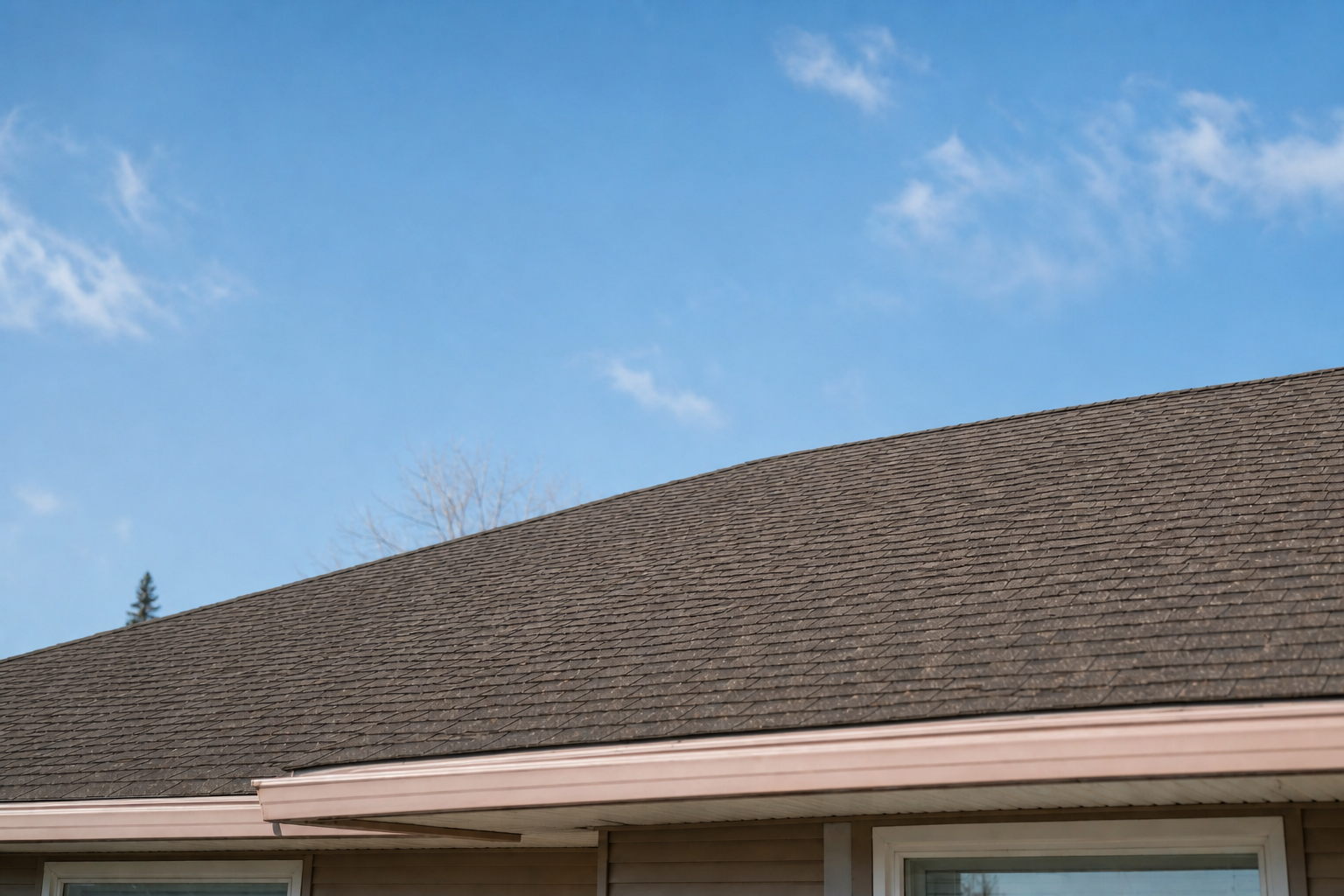
Roofs
Composition shingle in a temperate place lasts a couple of decades; in inland valley heat, less. Concrete and clay tile last much longer, but their underlayment does not, and the re-lay around the middle of the tile's life is the real replacement event. Metal lasts longest. Flat commercial membranes fall between shingle and tile depending on type.
Ventilation, color and maintenance move all of these by years in either direction.
Heating and cooling
Air conditioning compressors in a climate that runs them six months a year wear out sooner than the national average suggests. Furnaces last longer because winters are mild. Rooftop package units on commercial buildings sit in the sun all day and are the shortest-lived of the lot.
If a rooftop unit is being replaced, that is the moment to fix the curb flashing under it.
Water heaters, appliances and the fridge
Tank water heaters have a short life in hard-water areas, and much of the valley has hard water. Refrigerators, dishwashers and washers are in the same rough band. None of them are worth heroic repairs past that age; the money goes to the replacement.
The fridge is in the title because it is the appliance people ask about most, and because the answer, about a decade, surprises them.
Using the numbers
Write down the age of each major system when you buy a house, or estimate it from an inspection. Then you know which decade the big spends fall in and can stage them rather than face them together. A roof inspection with a remaining-life opinion is the roofing half of that exercise.
I include that opinion in every inspection report for exactly this reason.
Repair or replace, the general rule
When a repair costs more than about half of a replacement on a system past the middle of its life, replace. When the system is young and the fault is isolated, repair. The roof follows the same logic as the fridge, just with a larger number and a longer horizon.