Rain barrels
A barrel at a downspout catches roof runoff for garden use. In our dry climate it fills only in winter, but a few storms produce a surprising volume off an average roof, and it keeps that water out of the storm drain. Make sure the overflow is directed away from the foundation and the barrel is screened against mosquitoes.
It is cheap, simple and legal here; check any local rules on capacity.
Cool roof colors and coatings
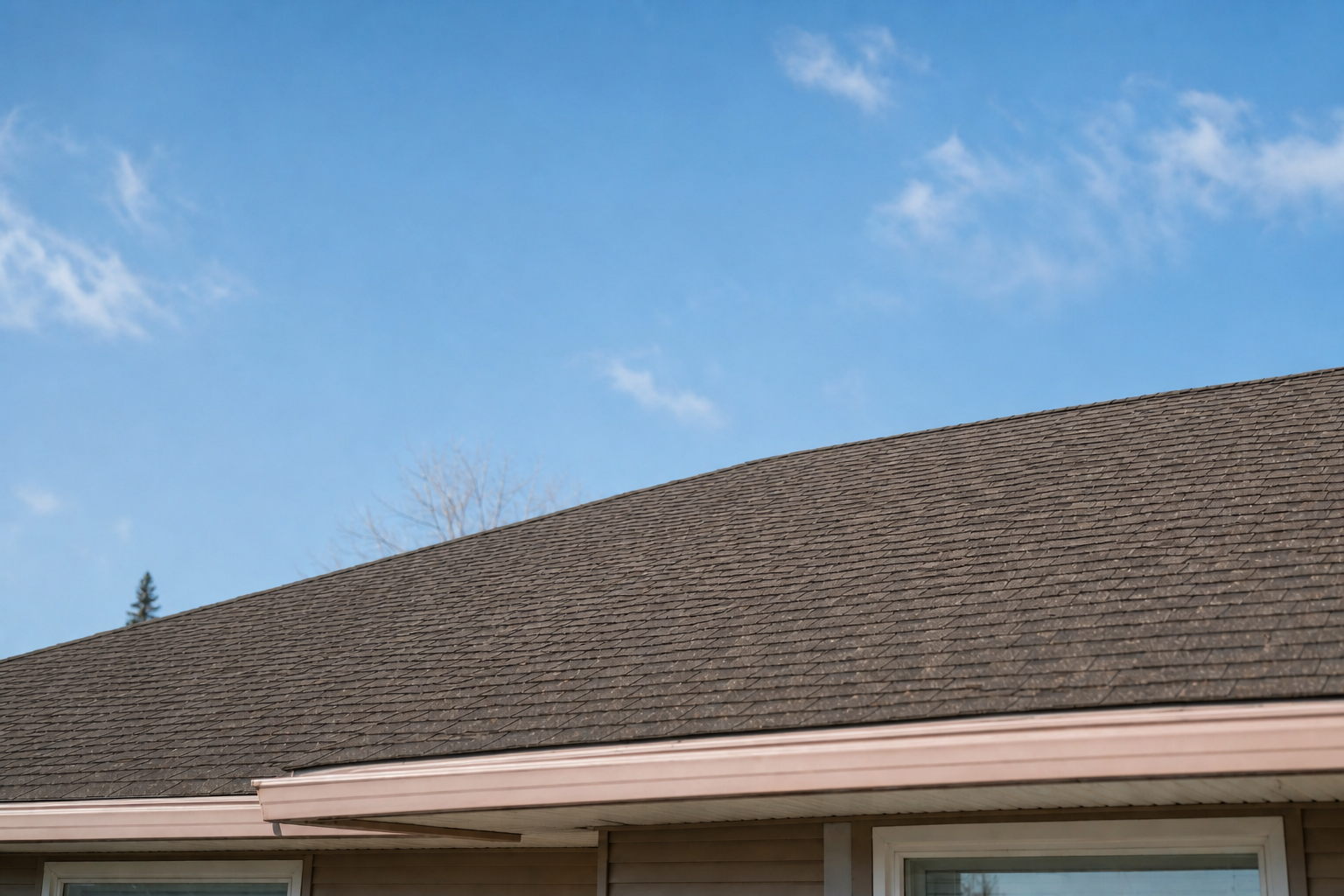
The biggest single roof-related saving in the inland valley is reflecting summer sun. A light-colored or cool-pigment shingle, tile or metal finish, or a white coating on a flat roof, drops attic temperatures substantially and cuts air conditioning load. California's energy code already requires cool-roof products in many re-roof situations.
If you are re-roofing, ask for the reflectance rating of the product; it matters more than the color name.
Insulation and ventilation
A well-insulated attic floor keeps house heat and roof heat separated, and proper eave and ridge ventilation lets the attic purge heat rather than store it. Together they reduce energy use and make the roof covering last longer. Both can be improved during a re-roof for little extra cost.
Ventilation is also the fix for a lot of summer attic smells and winter condensation.
Long-life and recyclable materials
Every shingle tear-off sends tons of asphalt to landfill. Metal roofing is recyclable and lasts long enough to skip a replacement cycle or two. Tile lasts a very long time and, in a re-lay, is reused rather than replaced. Choosing a roof you will not have to throw away is the greenest choice of all.
Even with shingle, some recyclers now accept old shingles for road base; ask your contractor where the dumpster goes.
Solar
Panels on a sound roof are the most direct way to cut a home's energy footprint here, with our sun. The key is doing the roof first: putting panels on a roof with a decade left means paying to remove and reinstall them later. Inspect, repair or replace, then add the panels.
I inspect roofs for solar readiness and will tell you plainly if the roof is not ready.
Order of operations
Ventilation and insulation first, because they are cheap and help everything else. Then the roof covering, in a cool-roof product, when the roof is due. Then solar on top of a sound roof. Rain barrels can go in any time. Done in that order, each step makes the next one work better.